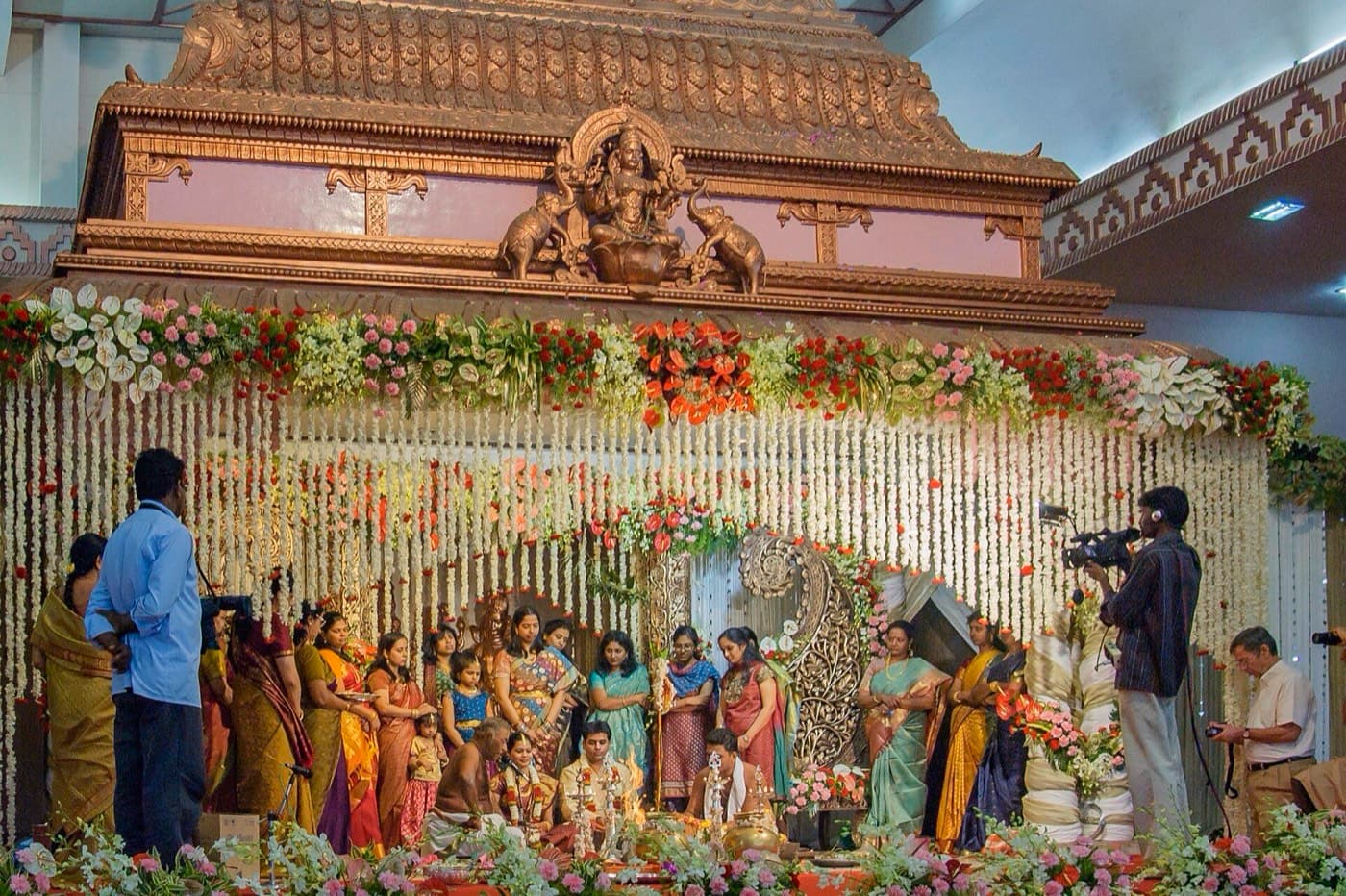
A free Saturday is a starting point
There is a free Saturday in the diary, and the venue looks promising. Then the family conversation begins. Before a deposit changes hands, it helps to put the months your families will consider beside the dates you can actually manage. Preferences are easier to discuss while the venue column is still blank.
There is no single calendar rule for every Malaysian Indian wedding. Tamil Hindu month preferences differ from Kerala Hindu customs. Telugu families, meanwhile, use a lunisolar calendar with months reckoned by the moon. A month name borrowed from another family's plans may not mean what you think it means.
The discussion starts with the customs each family follows. The priest conducting the wedding can then determine acceptable dates and the ceremony time for your circumstances. A shared shortlist gives everyone something useful to work with. A folder of contradictory screenshots is less helpful, however diligently assembled.
Months many Tamil families leave clear
Aadi, approximately mid-July to mid-August, is widely avoided for Tamil Hindu weddings. Malaysian reporting describes a period with substantial temple worship and festival commitments, not a usual wedding month. That is an account of a practice, not a prediction about a marriage.
Margazhi, approximately mid-December to mid-January, is another month many Tamil Hindu families reserve for devotion. Malaysia Hindu Sangam told Malay Mail that fasting and religious observances contribute to the preference against weddings then. A December school-holiday slot may therefore suit the work diary without suiting the family's observance.
Purattasi, approximately mid-September to mid-October, is less clear-cut. Some Tamil traditions avoid weddings during the month. Other accounts emphasise fasting and restrictions on non-vegetarian feasts, without a blanket wedding prohibition. When a family calls the month unsuitable, it is worth understanding exactly which practice they mean.
The ceremony and reception also need separate answers. Advice about the religious ceremony does not automatically settle the meal or reception arrangements. Keeping a written note of the agreed position gives your parents and partner the same information.
Months that often make the shortlist
Thai, approximately mid-January to mid-February, has a particularly clear association with the Malaysian wedding season. Malay Mail links its popularity to the harvest tradition and the end of Margazhi. Its report describes busy priests and couples considering weekday ceremonies because their options were limited.
In the broader Tamil tradition, Vaikasi, approximately mid-May to mid-June, and Avani, approximately mid-August to mid-September, are also commonly favoured wedding months. Chithirai, approximately mid-April to mid-May, can be considered too. These offer starting points for a discussion, not a ranking of Malaysian booking demand.
Even a favourable month does not make every day suitable for your ceremony. Local reporting describes a limited selection of acceptable dates during popular Thai. Relatives arranging leave need the actual shortlist, not simply a month name and a hopeful suggestion to keep their weekends free.
Malayalee and Telugu calendar references
For Malayalee Hindu families following Kerala custom, Karkidakam is commonly avoided for weddings. Its approximate Gregorian equivalent is mid-July to mid-August. The overlap with Aadi does not make the names interchangeable; your planning sheet should use the month name your family and priest use.
The traditional Telugu calendar is lunisolar, with months counted between new moons. Ashada is often avoided for weddings and usually falls around June to July, although its placement needs checking in the relevant calendar. It is not a fixed mid-July to mid-August substitute for Aadi.
For couples planning across communities, the officiating priest can clarify which calendar and family practices will guide the ceremony. Combining separate internet lists into an enormous list of forbidden days is unlikely to produce a useful shortlist. Bring your work calendars to that conversation too, so the options are ones you can both actually manage.
Other faiths have different arrangements
Sikh Anand Karaj does not require an auspicious date. The Sikh Rehat Maryada rejects consulting horoscopes to decide whether a marriage date is auspicious and says the parties should choose a suitable day by mutual consultation. Gurdwara availability is the relevant discussion, without applying a Tamil Hindu month list.
Church weddings depend on the parish's ceremony calendar and preparation requirements. For a Muslim wedding, speak to the relevant religious authority and your solemniser. This Hindu-month overview cannot decide either ceremony's timing.
From a shortlist to a booking
Popular Malaysian venues can book out well ahead, while in-demand photographers and videographers can fill their diaries quickly. Alongside the documented Thai wedding rush, that gives couples a reason to enquire promptly once they have acceptable options. Weekends within the same popular month may offer quite different choices.
For a Klang Valley celebration, the same shortlist can go to the ceremony and reception venues, followed by your preferred vendors. Written hold deadlines and cancellation terms make it clear how long an option remains available before you pay a deposit.
If the shortlist includes a weekday, check that the people who matter most can get leave before the date is settled. Giving one person responsibility for the final message to both families avoids circulating different versions of the plan.
This is planning context, not religious or astrology advice: confirm month boundaries and ceremony arrangements with your priest or other officiant.